Eligible travelers
Most ordinary tourists and short-term visitors from non-exempt, non-referral nationalities may generally use visa on arrival at approved entry points.
Planning a trip to Tanzania or Zanzibar? This premium landing-page style guide explains Tanzania visa requirements, Tanzania tourist visa rules, Zanzibar visa planning, Tanzania entry requirements, common fees, approved entry points, and how the Tanzania visa application process compares between visa on arrival and eVisa.
A fast snapshot for travelers who want the essentials before departure.
The Tanzania Visa on Arrival allows eligible travelers to receive a visa after reaching a recognized airport, land border, or seaport. Instead of fully completing the Tanzania visa application before departure, the traveler can finalize the process at the point of entry if the nationality is eligible and the supporting documents are ready.
This option is popular with last-minute travelers, flexible tourists, and visitors who prefer to deal with the administrative step after landing. Still, visa on arrival should never be mistaken for automatic entry. Travelers must still satisfy Tanzania visa requirements, present a valid passport, explain the purpose of travel, and be ready with documents such as hotel details, return travel proof, and any health paperwork that may apply.
For many travelers, the better question is not whether visa on arrival exists, but whether it is the best fit. Some people prefer the Tanzania eVisa because it gives approval before departure and can reduce time spent in airport lines. Others value flexibility and are comfortable completing the process after arrival. The right choice depends on timing, nationality, itinerary, and travel style.
In broad terms, visa on arrival is generally associated with travelers whose nationality is not visa-exempt and not on the referral list. That distinction matters because Tanzania entry rules can differ by passport. Some travelers do not need a visa at all, some may use visa on arrival or eVisa, and some need special advance approval before traveling.
Most ordinary tourists and short-term visitors from non-exempt, non-referral nationalities may generally use visa on arrival at approved entry points.
Travelers from referral nationalities should not rely on arrival issuance and typically need advance clearance before travel.
Always verify nationality-specific rules before departure rather than assuming your travel route matches another traveler’s experience.
Travelers searching for Tanzania visa requirements usually want a practical checklist. The best way to think about this is simple: immigration wants to see who you are, why you are visiting, where you will stay, and how you plan to leave.
Even when visa on arrival is available, many travelers still choose the Tanzania eVisa because it reduces uncertainty and can make airport arrival smoother.
Keep both printed and digital copies of your passport bio page, itinerary, hotel confirmation, and return ticket.
Passport validity is the foundation of every Tanzania visa application. Beyond that, trip coherence matters. If your hotel bookings, return flight, and stated purpose all align, the arrival process is usually easier. A traveler whose documents tell a clear story often moves through immigration with less friction.
Use a recognized airport, land border, or seaport where Tanzania immigration processes visa on arrival applications.
Fill in the visa application clearly and make sure it matches your actual purpose of travel.
Be ready with passport details, accommodation information, onward travel proof, and any other requested paperwork.
Select the visa category that matches the trip purpose, whether tourism, business, multiple entry, or transit.
After approval, immigration places the endorsement in your passport and grants entry into Tanzania.
Tanzania visa fees depend mainly on the visa category, not only on whether you apply online or after arrival. Choosing the correct category matters more than simply choosing the cheapest one.
| Visa Type | Typical Fee | Common Purpose | Typical Use |
|---|---|---|---|
| Ordinary / Single Entry | $50 USD | Tourism, family visits, leisure | Most Tanzania tourist visa trips |
| Multiple Entry | $100 USD | Frequent travel, family or recurring business reasons | Repeat visits to Tanzania |
| Business Visa | $250 USD | Meetings, professional visits, short assignments | Short-term formal business travel |
| Transit Visa | $30 USD | Passing through Tanzania | Short stay en route elsewhere |
If the trip is mainly a holiday, a tourist-friendly category is usually the right starting point. If the trip is primarily for meetings or short professional activity, the business route may be more appropriate.
Tanzania visa on arrival is commonly associated with major airports, selected land borders, and principal seaports. Planning around your actual arrival location is one of the easiest ways to avoid confusion.
The Tanzania tourist visa is one of the most important terms in travel planning because it covers the majority of leisure journeys. Safari holidays, beach trips, family visits, and general sightseeing itineraries often fit into this part of the Tanzania visa system.
Safari holidays, Zanzibar beach stays, family visits, leisure travel, and short sightseeing trips across Tanzania Mainland and Zanzibar.
Clear hotel or lodge confirmations, consistent passport details across bookings, and a return itinerary that supports a short leisure stay.
Many travelers search for Zanzibar visa information separately because Zanzibar is such a strong destination brand. In practice, visa planning generally sits inside the wider Tanzania visa framework, and Zanzibar is one of the major entry points.
That means most travelers do not need a totally separate immigration strategy simply because they are visiting Zanzibar. They still need to focus on nationality, visa category, and supporting travel documents. If the trip combines mainland Tanzania and Zanzibar, keeping the full itinerary organized is especially useful.
The biggest planning question for many travelers is whether to complete the Tanzania visa application online before travel or handle it on arrival. Both routes exist, but they fit different travel needs.
| Feature | Visa on Arrival | Tanzania eVisa |
|---|---|---|
| When you apply | After you arrive | Before departure |
| Processing style | At immigration or visa counter | Online review |
| Main advantage | Helpful for last-minute travel | More certainty before boarding |
| Main drawback | Queues and possible waiting time | Requires earlier planning |
| Best fit | Flexible arrival day travelers | Families, fixed schedules, early planners |
A traveler with a fixed safari pickup, domestic connection, or family group often benefits from advance approval through eVisa. A traveler with more flexibility may feel comfortable using visa on arrival.
The smartest choice is not always the most convenient-sounding option. It is the option that best matches your nationality, arrival point, and trip structure.
Travelers whose nationality is not visa-exempt and not on the referral list may generally obtain a Tanzania Visa on Arrival at approved entry points.
Travelers commonly need a passport valid for at least six months, a completed application form, proof of onward or return travel, accommodation details, and any applicable health documents.
Typical fees shown for Tanzania visas are around $50 for ordinary single entry, $100 for multiple entry, $250 for business, and $30 for transit.
Tanzania visa planning generally covers both Tanzania Mainland and Zanzibar, with Zanzibar listed among the key entry points.
Many travelers prefer Tanzania eVisa because it offers approval before departure and can reduce waiting time at the airport, while visa on arrival is often better suited to flexible or last-minute travel.
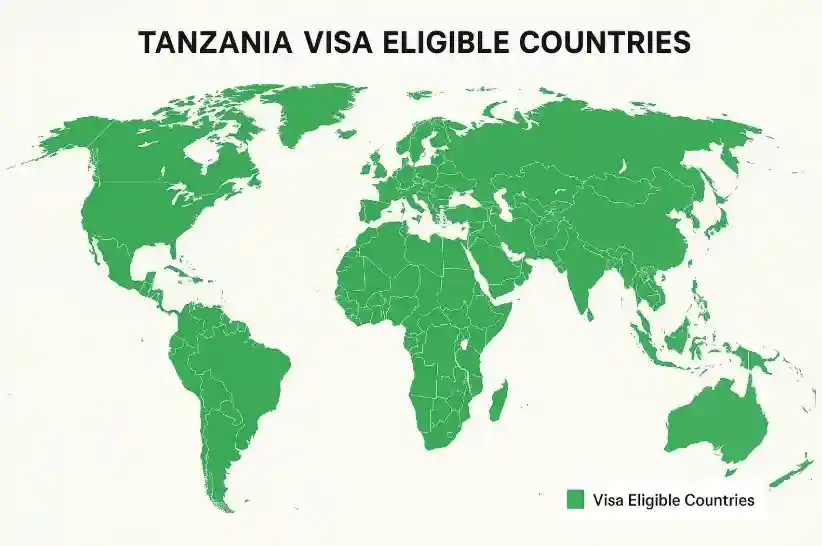
Find out which nationalities are eligible for the Tanzania eVisa in 2025.
Eligible Nationals
Zanzibar is part of Tanzania, so most travelers need a Tanzania visa to enter.
Zanzibar eVisa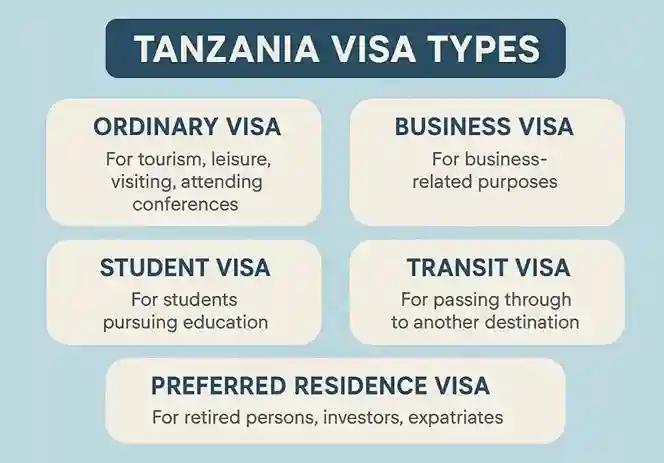
Explore tourist, business, multiple-entry, transit, student, and work visa options.
View Visa Types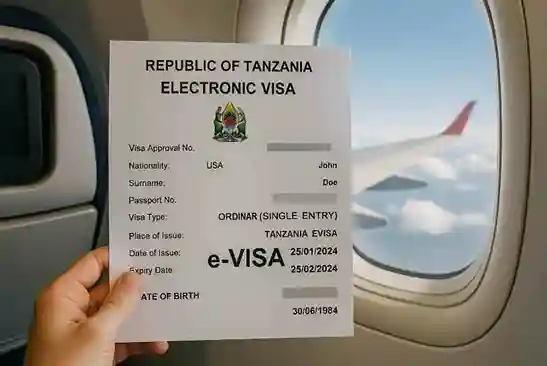
Learn how to prepare your documents, submit your form, and improve your chances of a smooth approval process.
Get StartedFollow visit-tz


